Shape
Turtleneck, mock neck, crew: what the collar is really for
The neckline changes how warm a sweater feels, how tall you look and what you can wear over it. Same yarn, three different garments.
Full turtleneck
A proper turtleneck is long enough to fold back on itself, which means two layers of knit against the neck. That is why it reads warmer than the same sweater in a crew neck even though the yarn is identical.
It also closes the outfit at the top. Nothing shows above it, so a coat collar sits cleanly and a necklace has nowhere to be. If you find turtlenecks close, look for a looser collar rather than a different neckline.
Mock neck
Half the height, no fold. It gives the vertical line of a turtleneck without the pressure, and it is the one we recommend to anyone who says turtlenecks make them want to pull at their throat all afternoon.
Under a jacket it is the most forgiving of the three, because there is no fold to bunch at the back of the neck.
Crew and round necks
The plain option, and the one that layers under and over everything. A crew neck shows a collarbone, which breaks up the block of colour and stops a heavy knit reading as a wall.
It is also the neckline to pick if you wear a shirt underneath, because there is room for a collar to come out without a fight.
Open and V shapes
These lengthen the line from the chin down, and they take a necklace properly. In knit they are usually the lightest of the four to wear, which makes them the sensible choice for a warm room rather than a cold street.
Written in the studio. If something here contradicts what a piece actually does when it arrives, tell us and we will fix the note.
From the rail
Pieces this note is about
Chosen by what the catalogue actually holds today, sorted by how many people have rated them.
Sweaters · Black
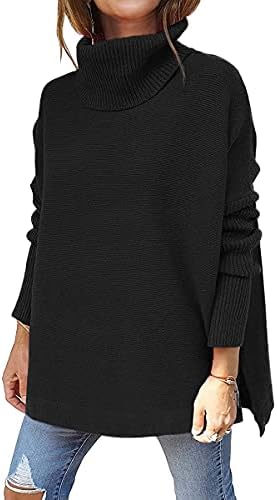
Womens Turtleneck Oversized Sweaters
We knit this black turtleneck with a roomy, straight drape that hangs away from the body down past the hip line.
4.3 out of 5 (11,672)
$22.99Sweaters · Black
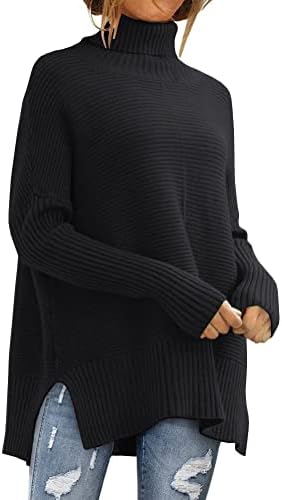
Women Oversized Turtleneck Sweaters Fall Cozy Long…
A long turtleneck pullover knitted in solid black with dropped shoulders, deep side slits, and a relaxed, roomy hang.
4.3 out of 5 (6,705)
$24.99Sweaters · Black
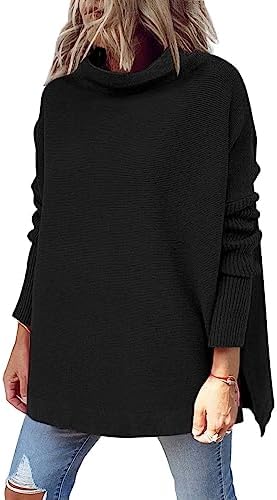
Women's Mock Turtleneck Sweater Oversized Long Sleeve…
A soft black tunic sweater with a standing mock neck, roomy batwing sleeves, and side splits at the lower hem.
4.4 out of 5 (2,208)
$27.99Dresses · Red Floral
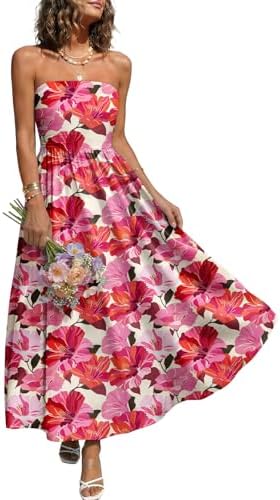
Womens Floral Summer Dresses Tropical Tube Top Strapless…
A strapless maxi dress cut with a smocked back panel, open neckline, and roomy skirt in a red floral print.
3.9 out of 5 (47)
$14.99